Running an ethical business can be challenging in industries filled with misleading marketing and unrealistic promises. Honest providers focus on transparency, realistic expectations, and clear communication. While doing things the right way may mean losing some short-term opportunities, ethical businesses build stronger relationships, earn lasting trust, and create long-term success.
The Reality Ethical Business Owners Face
It’s hard to be an ethical business owner.
If you have ever searched for services for your business, you have seen them. Ads saying your current provider is ripping you off, that you are not doing things the right way, or that if you sign up with them, everything changes in 2 weeks.
The Rise of Misinformation and Disposable Businesses
Unfortunately, in today’s world, it is easy to spread misinformation or be deceitful without repercussions. They take as much money as they can, and once they get a bad reputation, they just pay $50, start a new LLC with a new name, or simply post under a different name because they never created a legal business to begin with, and just start anew. This phenomenon crosses all industries and is way too prevalent.
The Impact on Honest Business Owners
As a business owner myself, it is hard to see things like this. Not only does this impact ethical businesses and their ability to make a living, but it also taints the industries they are in.
Dishonesty, disingenuousness, and straight-up scams are what we fight against every day. You want to provide the best service you can, at a fair price, but how do you compete against that?
Rebuilding Trust With Potential Clients
And more importantly, how do you convince a potential client who has already been burned that you are different?
What Should an Ethical Provider Cover?
What Should Be Discussed in the First Conversation?
An ethical provider will be upfront about what they can and cannot deliver. Any business promising a guaranteed outcome in a field with real variables is either being dishonest with you or does not understand its own industry. Both are a problem. If they tell you they can 100% deliver some specific outcome, walk away.
Should Pricing Be Transparent Before the Sales Process Begins?
An ethical provider should have their pricing available to you before the sales process even begins. If they are hiding it until they have had 45 minutes to warm you up, ask yourself why.
Should a Provider Use High-Pressure Sales Tactics?
An ethical provider wants you to make an informed decision, not a rushed one. If someone is pushing you to sign before you have had time to think, that is not urgency; that is a red flag.
Should a Provider Clearly Explain What They Do?
An ethical provider should be able to walk you through their process in plain language. If you ask and get a vague answer full of buzzwords, that is worth paying attention to. You deserve to know what you are paying for before you pay for it.
Should Providers Be Transparent About Results?
An ethical provider should be showing you actionable information freely and walking you through it regularly. They should be showing you all of the results, not just the positive ones. Negative trends happen in every industry. It is how they pivot their strategy to account for those trends that matters.
Should a Provider Stay Current With Industry Trends?
An ethical provider should be proactively informing you of changes in the industry and explaining how they are adjusting their processes to account for them. If they are not doing that, there is a good chance you are receiving outdated services that may no longer apply to the current landscape.
This is especially important in industries like ours, where things can change on what feels like a daily basis. A good provider is not just doing the work; they are constantly evolving how they do it.
What Should You Do If These Topics Are Not Covered?
If your provider is not covering these things with you on their own, ask about them. The way they respond will tell you a lot.
If you are a fellow business owner, you already know this dynamic all too well.
What Ethical Businesses Are Up Against
Losing Deals to Overpromises
When you commit to doing things the right way, you lose deals. That is simply the truth. Some clients will choose the competitor who promises the moon, and there is not much you can do about it except know that call tends to come back around eventually, usually after they have wasted time and money finding out the hard way.
Having Harder Conversations Up Front
You also end up having harder conversations up front. Being honest means telling someone their expectations are not realistic, or that their timeline does not match what the work actually requires. Those conversations are not easy, and they do not always go the way you hope. Life has enough uncertainties. A good service provider should be reducing those, not adding to them.
Rebuilding Trust After Bad Experiences
And then there is the skepticism you inherit from bad actors you have never even met. By the time some clients find you, they have already been through a bad experience somewhere else. Rebuilding that trust takes time, and it is time you are essentially spending to clean up someone else’s mess. That is a real cost that does not show up anywhere on a balance sheet.
Not Every Client Relationship Is the Right Fit
Sometimes a client and a provider just do not mesh, and that is okay. Not every relationship is the right fit, and forcing one that is rarely ends well for either side. Go with your gut while making an informed decision. A provider that is right for you will feel that way from the start.
The Long-Term Payoff of Ethical Work
Despite all of that, the businesses that stay the course tend to be the ones still standing years later. The clients are better, the relationships are deeper, and the work is more meaningful. That is not a coincidence.
What Does the Long-Term Impact of Ethical Business Look Like?
Continuing the Values the Business Was Built On
When my wife Mary and I became business owners, we were fortunate to purchase a business that already maintained these values. Word of mouth advertising works, and in our case, it was the foundation of the business. When you run things that way, people notice. They are able to refer their colleagues to you without fear, because they know what you stand for.
Combating Unscrupulous Businesses
The only way to combat the agencies and businesses that are, for better terms, unscrupulous, is to be exactly the opposite. Be open. Be honest, even when it costs you. Build real relationships. And above all, be human to each other. That is how you stay true to yourself and help other people along the way.
A Message to Fellow Business Owners
If you are a business owner reading this, keep going. The clients you build real relationships with will stay. They will refer people. They will trust you. And that compounds in ways that no amount of aggressive sales tactics ever will. The ethical path is harder in the short term. But it is the only one worth taking.
A Message to Potential Clients
And if you are a potential client in any industry, please do your research. Ask hard questions. The businesses doing things right are out there. They just tend to be quieter about it.
How We Apply These Values at Simplified SEO Consulting
My wife, Mary, and I believe transparency should be the foundation of any business relationship. That is why we make every effort to clearly outline our pricing and services on our website so you know exactly what to expect before you ever speak with us. We believe in straightforward conversations and honest guidance, not surprises or high-pressure sales tactics.
We approach our consultations the same way. If we believe our services are not the right fit for your situation, we will tell you. Our goal is not to sell you something that will not provide a meaningful return on your investment.
If you are looking for an SEO and AEO partner who values transparency, ethical practices, and clear communication, we invite you to explore our pricing and services or schedule a free consultation to see if we are the right fit for your business.
Other Services Offered At Simplified SEO Consulting
At Simplified SEO Consulting, we provide a range of services to help helping professionals achieve their goals and grow their practices:
https://simplifiedseoconsulting.com/wp-content/uploads/2026/03/Blog-Photo-one.png279512Ed Walkerhttps://simplifiedseoconsulting.com/wp-content/uploads/2026/03/Simplified-SEO-Consulting-logo-e1773157089540-300x73.pngEd Walker2026-03-12 23:42:062026-03-12 23:52:56Running an Ethical Business in a World Full of Bad Actors
The world feels chaotic right now, politically, economically, and emotionally. When uncertainty rises, many practice owners instinctively pull back: cutting marketing, stopping investments in their website, and trying to simply survive on existing referrals. But disappearing during uncertain times weakens the trust and visibility you’ve built with potential clients. The practices that continue showing up, sharing insights, publishing blogs, and maintaining their visibility, are the ones people remember when they’re finally ready to seek help. Consistency during chaotic seasons becomes your competitive advantage.
That Chaos and Uncertainty, That is What Everyone Is Feeling Right Now.
The world feels chaotic right now. Politically. Economically. Socially. It often feels like everything is spinning faster than anyone can keep up with.
If you’re a business owner, especially a therapist running a private practice or managing a group practice, you’re probably feeling that instability inside your business, too.
I’m going to be honest with you: I dread getting up some days. The minute I check my phone, turn on the news, open the door, or turn on the radio, I’m bombarded with it all: bad news, conflict, violence, and political parties locked in battle. The world feels like it’s spinning chaotically out of control with no center point anymore.
Our political landscape in the United States is volatile. Violence has become the default answer when people try to resolve disagreements. Kindness, compassion, understanding, and patience, virtues that should be foundational, have gone to the wayside. They’ve become things that are punished instead of rewarded. There’s a “be kind at your own risk” mentality that seems to be taking over.
And the economic landscape? It’s equally confusing and chaotic. Things that once seemed stable and predictable now feel uncertain. Prices keep climbing. Incomes feel like they’re shrinking. Nothing is working out quite the way we planned.
As a small business owner, I know many of you reading this share this experience. I had a clear plan mapped out for the past year. I understand there will always be ups and downs in business. But my path has turned into a pothole-ridden, twisty-turny journey that I can barely navigate some days.
And that creates real stress and anxiety when you’re responsible for supporting yourself, your family, your team, and your clients.
Just hold steady. Survive on the referrals you’re already getting. Wait until things calm down. It makes sense. It feels safe. It feels responsible.
But the reality is that mindset doesn’t serve your business—or your clients.
What Happens When Practices Disappear?
When practices slip into survival mode, something subtle but important shifts.
Decisions become reactive instead of strategic. Instead of planning for what’s ahead, you start responding to what’s already happened. Strategy disappears and gets replaced by patchwork solutions.
And eventually, that shift becomes visible to the outside world.
If you were consistently sharing blogs, posting on social media, participating in conversations in your community, and suddenly all of that stops—people notice.
They notice you’re no longer out there.
They notice you’re no longer contributing.
They notice the voice they were getting used to hearing has gone quiet.
Instead of becoming the voice they turn to when things get difficult, you fade from the front of their mind entirely.
When they finally need help, you’re not the one they remember.
Why Does Survival Mode Hurt Your Practice Long Term?
Over nearly a decade in business, I’ve watched this pattern repeat itself.
Practices that pull back during difficult economic periods don’t come out ahead. They come out behind. When the economy stabilizes, they’re forced to rebuild everything—visibility, trust, and recognition, from scratch.
Meanwhile, the practices that stayed consistent during the difficult season are positioned very differently.
They’re already visible.
They’re already trusted.
They’re already familiar.
When demand rises again, they’re the ones people reach out to.
Why Is Continuing to Invest the Smarter Strategy?
The only real options are two: keep moving forward or give up.
And I’m not a quitter. I didn’t build this business to abandon it when things get hard. I’m guessing you didn’t either.
But “keep moving forward” doesn’t mean ignoring your budget or spending recklessly. It means being strategic.
You can absolutely streamline processes. You can refine your niche. You can focus your energy on the services that matter most instead of spreading yourself too thin.
There are dozens of ways to use your resources more effectively.
What small actions today could improve my position 10 or 12 months from now?
Some of the most effective moves during uncertain times are actually the simplest ones:
Stay visible on social media. Consistency matters more than perfection. People need to see that you’re still here and still thinking about the challenges they’re facing.
Keep writing blogs or educational content. Content that speaks directly to your ideal client builds trust and positions you as a resource.
Review and streamline internal processes. Spend even 30 minutes a week looking at workflows and expenses. Where are you spending money effectively? Where are processes costing more time and energy than they should?
Encourage your team to think strategically. Ask them where processes could be simplified, automated, or improved.
These aren’t flashy moves. They’re foundational moves. And foundations are exactly what carry a business through uncertain times.
What Happens When Clients Finally Reach Out?
Eventually, the chaos settles enough for people to breathe again. When that happens, people start addressing the stress, trauma, and emotional weight they’ve been carrying. And when they finally reach out for help, they remember the voices that were present during the chaos.
They remember the therapist who kept showing up in their feed.
The practice that continued sharing helpful insights.
The voice that stayed steady while everything else felt unstable.
They remember you.
And that consistency translates into real client conversions—not because you were flashy, but because you were reliable.
What Choice Do Practice Owners Actually Have?
In times like these, practice owners really face two choices:
You can react to what’s happening around you and pull back, hoping things improve.
Or you can move strategically through the uncertainty, continuing to build the foundation that will carry your practice forward.
One path leads to scrambling to rebuild when the environment improves.
How Does Simplified SEO Consulting Support Therapists Through Uncertain Times?
At Simplified SEO Consulting, our purpose is simple: helping therapists continue building their visibility and presence, even when the environment feels uncertain.
Sometimes that means developing a longer-term SEO strategy. Sometimes it’s a one-time website audit, a strategic consultation, or help understanding where your online presence currently stands.
Every practice is different. Every stage of business requires something different.
But the goal is always the same: helping you stay visible, stay strategic, and continue showing up for the people who need you most.
If you’re unsure where your website or marketing currently stands, we’re always happy to take a look and talk through the options that make the most sense for your practice right now.
Because when things feel chaotic, the practices that stay visible are the ones people remember when they’re finally ready to reach out.
Ready to Stay Visible Even When Times Are Uncertain?
When the world feels chaotic, the instinct is to pull back. But the practices that continue investing in their visibility are the ones people remember when they’re finally ready to seek help.
That’s exactly what we help therapists do.
At Simplified SEO Consulting, we work with therapists and helping professionals to strengthen their website, SEO, and online presence so they can continue showing up for the people who need them.
If you want to understand where your website and visibility currently stand, the next step is simple: schedule a consultation, and we’ll walk through your site, your visibility, and the smartest strategic next steps for your practice.
About the Author
Mary Walker is the owner of Simplified SEO Consulting and holds Master’s degrees in both Digital Marketing and Psychology. Her work blends strategic marketing expertise with a deep understanding of human behavior, allowing her to help therapists and helping professionals grow their practices in ways that feel ethical, sustainable, and aligned with their values.
Mary is also a proud mom of five amazing kids (ages 22, 18, 17, 15, and 13), and much of her perspective on leadership, balance, and perseverance comes from raising a busy and vibrant family.
When she is not working with clients or exploring the ever-evolving world of SEO, Mary enjoys crocheting intricate patterns, getting lost in a good book, and watching football. She is more than a little passionate about the game and rarely misses a chance to cheer on her favorite team.
At her core, Mary believes in building meaningful connections, continuing to learn, and creating a life that balances professional growth with the people and passions that matter most.
Seo and Therapist Support Services Available at Simplified SEO Consulting
If you’re looking for hands-on SEO implementation or done-for-you services, you can explore our core offerings through Simplified SEO Consulting.
Done for You SEO: Comprehensive SEO services managed entirely by our team.
Do It Yourself SEO: Learn to implement SEO strategies with expert guidance.
Strategy Sessions: Personalized sessions to develop a tailored SEO plan.
https://simplifiedseoconsulting.com/wp-content/uploads/2026/03/Gemini_Generated_Image_ihq4wxihq4wxihq4-scaled.png13962560Mary Walkerhttps://simplifiedseoconsulting.com/wp-content/uploads/2026/03/Simplified-SEO-Consulting-logo-e1773157089540-300x73.pngMary Walker2026-03-04 01:47:232026-03-12 23:51:42Investing in Your Practice During Uncertain Times: Why Pulling Back Is the Bigger Risk
AI-powered brand tracking measures how visible and well-regarded your brand is online and among customers, giving insight into top-of-funnel awareness plus retention and advocacy. Traditional brand health metrics include visibility, share of voice, perception, sentiment, and net promoter score (NPS), pulled from surveys, platform analytics, and public mentions. AI improves this work by analyzing huge volumes of qualitative text (social posts, reviews, forums, survey comments) with more nuance than old keyword-based methods, cleaning and spotting patterns in data, and turning findings into actionable insights.
An effective AI brand tracking strategy focuses on four areas:
NPS: AI summarizes open-ended survey feedback and links loyalty trends to actions you’ve taken.
Brand awareness: AI maps where and how often your brand is mentioned, and can forecast awareness trends versus sales.
Sentiment: AI reads context to classify attitudes more accurately and can segment sentiment by audience type.
AI visibility: With AI search growing, track how often your brand appears in tools like ChatGPT using specialized visibility platforms that automate prompt discovery and reporting.
To make it work, set clear goals/KPIs, define and gather the right data from the right sources, and iterate on the workflow regularly. Bottom line: integrating AI into brand monitoring speeds up analysis, improves accuracy, and delivers richer insights that strengthen brand positioning.
How to create AI brand tracking strategies
Monitoring brand health gives companies insights into how they’re perceived by both their customer base and their target audience. Artificial intelligence improves many of the workflows in brand tracking and can provide more contextual data.
This guide will explore how AI helps brand tracking and what factors you need to consider when integrating AI with your brand tracking strategy.
What is Brand Tracking?
Brand tracking, or brand health tracking, measures your brand’s performance in terms of online visibility and public perception. The concept of brand health includes metrics like:
Brand visibility across different marketing channels.
Share of voice on marketing channels.
Brand perception on those platforms and within your customer base.
Brand sentiment is shown on those platforms and in public online spaces.
Net promoter score in your customer base.
This process involves gathering data from multiple sources, including platforms’ internal analytics, open sources, and surveys administered to your customers.
The end goal is understanding how your brand is perceived, doing competitive analysis, and forming a strategy to improve your position on the market.
Why is Brand Tracking Important?
Most other metrics give you an understanding of the middle of the funnel. Traffic data and sales data let you understand how leads come to your website, how they convert, and where people drop off from the funnel.
Brand tracking helps you form a better understanding of the top of the funnel and beyond — the retention and advocacy stage. Here are the benefits you can garner from brand health tracking.
Understand where leads can come in contact with your brand. This can help you either double down on the platforms where your presence is strong or invest in the underperforming ones.
Understand what people think about your brand. This can help you improve brand messaging on and off your web assets.
Understand how your current customers regard your brand. This helps you strategize to improve customer retention and stimulate word-of-mouth marketing.
Adding brand tracking to your marketing analytics activities gives you a much fuller understanding.
How AI Improves Traditional Brand Tracking Strategy?
Artificial intelligence enhances many aspects of modern marketing. Here is how it can help improve brand tracking.
Qualitative text data analytics
Large language models are trained on large datasets of human-written text to be able to understand input and generate human-like texts. This makes AI exceptionally good at analyzing qualitative data.
Where we relied on simple algorithms to make sense of large amounts of text before, AI now takes over with much better results. LLMs can go through any text data you have gathered, like:
Mentions of your brand on blog pages.
Social media conversations.
Customer reviews on private and public platforms.
Open-ended survey answers.
Conversations with customers.
They can then summarize it, analyze it for customer sentiment, and for trends that appear in that data.
Business analytics
Machine learning can improve every step of the business analytics process. It can help you:
Clean up data.
Explore data and identify patterns.
Process the findings and create actionable insights.
Natural language processing also brings you the ability to interact with data sets through a chat with an AI. Some AI tools offer this feature, where you can simply ask the AI about your dataset instead of going through it manually.
Brand position monitoring
Ultimately, better analytical capabilities lead to a better understanding of your brand’s position on the market. AI can help you find more context and nuance in what people are saying about your brand, whether it’s in a survey or on Reddit. It can also analyze the data you’ve gathered to produce insights that will help shape your brand awareness strategy.
AI Brand Tracking Strategies
AI can improve brand tracking strategy across four major metrics. Here’s how it works:
Metric
Why track it
Data sources
How AI helps
NPS
Find insights into customer loyalty.
Surveys of existing customers.
Processing open-ended questions.
Brand awareness
Understand top-of-the-funnel marketing.
Surveys of the target audience, mentions online.
Analyzing text data, general analytics applications.
Sentiment
Understanding the attitude towards your company.
Surveys of existing customers, mentions online.
Analyzing text data, general analytics applications.
AI visibility
Understanding your visibility in AI search.
AI visibility tools.
Finding prompts to track, insight generation.
NPS
Net promoter score (NPS) is a metric that shows how likely your current or returning customers are to recommend your business to their friends and family.
Source: SE Ranking
Based on the responses to the NPS survey, you can judge:
How many people are likely to recommend your business?
How many people are dissatisfied with your business?
The ratio between the two groups.
This data is instrumental to predicting business growth and understanding the number of people who are likely not to become repeat customers. If you ask customers for more context than the basic ranking, you can also understand their reasoning behind the answer.
Data sources
Net promoter score data comes from surveys administered to existing customers either as a pop-up or through an email marketing campaign. At the bare minimum, the survey consists of a simple ranking from 0 to 10, but you can add an open-ended question to understand why users give their rating.
How AI can help
NPS is a pretty straightforward metric that doesn’t require further analysis on its own. What AI does instead is help with analyzing the context of the score.
As AI excels at text analysis and summarisation, it’s ideal for making sense of open-ended questions that you might have in your survey. AI can summarize the most common issues people have with your business and judge the sentiment of the replies.
You can use AI-based analytics to find correlations between NPS and other metrics or strategic decisions you took in the past. Use the findings to improve your brand positioning or products to increase customer loyalty.
Brand Awareness
Brand awareness is a measure of how well your target audience knows your brand. Awareness is the first goal of the sales process because it brings familiarity and trust, which are crucial for making a decision to buy from your brand later on.
Tracking brand awareness allows you to understand how well your top-of-the-funnel marketing performs and evaluate your brand’s position on the market.
Data sources
There are two main options for tracking brand awareness. The first one is conducting a survey of your target audience. You can do that by either doing it yourself and using paid ads to draw in people to the survey, or by contracting a company that specializes in this.
The other method is analyzing publicly available data from:
Social media
Forums
Blog posts
Search trends
This mostly measures unaided brand awareness — how often people talk about your brand unprompted. It also serves as an indicator of how likely users are to discover your brand online in places that you don’t control.
How AI can help
AI can help you make sense of your brand mentions online and provide a summary of where your brand is mentioned and in what contexts. This can save hours of work you’d spend on analyzing brand mentions manually.
AI-assisted predictive analytics can help you find trends between brand awareness and sales figures, as well as project the brand awareness trajectory.
Sentiment
Brand sentiment is a measure of how well your business is perceived by your target audience. You can form an understanding of it by analyzing brand mentions to find out what emotions are expressed.
Measuring brand sentiment helps you understand the general attitude towards your company and products and their reputation on the market. This can lead to improving your PR strategy, customer support workflows, or the product.
Data sources
A large part of brand sentiment data comes from monitoring online public places, like:
Social media conversations.
Online forums.
Review websites.
This can gauge brand sentiment in your target audience as well as existing customers. If you want to measure sentiment towards your brand within the customer base, an NPS survey can help, as well as conducting a larger survey with open-ended questions.
You can also measure sentiment in support conversations with existing customers with the help of AI call analytics.
To measure brand sentiment in people who aren’t your customers, you might need to hire a marketing agency to do a focus group survey.
How AI can help
Most traditional brand trackers use algorithmic sentiment analysis solutions that rely on looking through text for a list of words with positive, negative, and neutral values assigned to them, which disregards the context.
AI simplifies and improves the process. It can process survey answers and online comments in bulk and understands the whole text with its context instead of looking for specific words. It can determine the sentiment behind that data, judge the overall sentiment score, and break down the sentiment into customer segments.
AI visibility
With 700 million people using ChatGPT weekly and Google leaning more heavily into AI search features, visibility in AI tools is becoming more important for brand awareness.
Source: Google
Even when your mentions there don’t generate traffic, they will improve brand awareness as your company’s name will be shown to multiple users. The same goes for mentions on AI engines like ChatGPT or Claude.
AI visibility is the measure of how often and in which positions your brand gets mentioned on AI search. AI brand monitoring can give insights into what your current position is, how you compare to competitors, and how you can improve your position to build more brand awareness.
Data sources
Tracking AI visibility manually is virtually impossible, as you’d need to run hundreds of potential prompts through multiple LLMs and record the number of brand mentions in each result. You can simplify the process of data collection with an AI visibility tool by SE Ranking. This AI tool will help you find the right prompts to track, track them across multiple AI engines, and analyze the results.
How AI can help
The AI built into visibility tools can help you generate clear insights from the visibility metrics and inform your process of content creation to write content that ranks well in AI search.
Key Considerations in Brand Monitoring
Even with advanced tools, brand health tracking needs a strategic approach to work well. These three points are essential for well-functioning AI brand tracking efforts.
Goal setting
The first thing you’ll need to do is set up goals and KPIs for the AI brand tracking efforts. Based on your larger business goals, decide which metrics you want to track, and define what success means for your company.
Depending on what you need and what your current situation is, it might look something like:
Increase share of voice on key platforms by 20%.
Increase brand awareness in the target audience by 15%.
Move the NPS score in the core customer base segment by 2 points.
Data collection
Before you start collecting data, you’ll need to define what data you need to collect and where. Look at:
What is your target audience?
What is their preferred way of being contacted?
What online places do they frequent?
What questions do you need to ask them?
From there, start designing the surveys and building the monitoring infrastructure.
For the surveys, you’ll need a reliable way to distribute them. Mostly, it will either take the form of calling your customers or distributing an automated email campaign. For surveys of people who aren’t your customers yet, you might need to contract a specialist.
For monitoring social media and other websites for brand mentions, you’ll need a scraper tool specialized in that task.
Fine-tuning the workflow
A perfect analytics system is rarely built on the first try. More often than not, it’s achieved through iterations. Make frequent reviews of your AI brand tracking workflow, look for areas that produce poor results, and find ways to improve the workflow.
Closing Thoughts About AI Brand Tracking
AI brand tracking can improve the speed and accuracy of measuring brand health. AI with NLP capabilities can analyze text better than previous tech. It can summarise feedback and brand mentions, find commonly discussed themes, and extract customer sentiment faster. Machine learning in analytics can improve brand visibility tracking by finding better insights from trends in data.
You do need to find ways to integrate AI with your existing brand tracking tools or use new AI-first tools. The investment pays for itself because you’ll receive more accurate data and find better insights to improve brand positioning.
Our Go-To Tool for Smarter Brand Visibility Monitoring
If you’re ready to put AI brand tracking into action, you don’t have to piece together a dozen tools to do it. At Simplified SEO Consulting, we rely on SE Ranking because it’s versatile enough to support the full picture of brand health, from traditional search to the fast-growing world of AI search. In one platform, we can track rankings, monitor brand and competitor visibility, audit websites, research keywords and backlinks, and measure AI visibility across major AI engines.
Want to see what your brand looks like through both human search and AI search? Start a free SE Ranking trial and explore the AI Visibility Toolkit alongside the core SEO suite. It’s the same stack our team uses to spot visibility gaps, uncover new prompts and content opportunities, and turn brand insights into measurable growth.
About the Author
Kateryna Boiko is a Content Specialist at SE Ranking, a company that developed a robust toolkit for SEO and GEO. Passionate about digital marketing, Kateryna consistently stays up-to-date with the latest industry news and AI trends, sharing her expertise through blog articles. She also loves reading contemporary fiction books and learning languages.
https://simplifiedseoconsulting.com/wp-content/uploads/2025/11/images.png225225Mary Walkerhttps://simplifiedseoconsulting.com/wp-content/uploads/2026/03/Simplified-SEO-Consulting-logo-e1773157089540-300x73.pngMary Walker2025-11-28 11:10:412025-11-28 11:10:59How to Improve Your Brand Tracking Strategy With AI
Artificial intelligence (AI) has transformed the way businesses—and the people behind them—show up online.GEO Is Not Replacing SEO: Why the Future of Website Optimization Needs Both. From generating blog outlines to analyzing search results, AI has given business owners tools we never had before. But with all its benefits comes a risk we can’t afford to ignore: AI doesn’t always get it right.
At Simplified SEO Consulting, we recently had a very real experience that highlights why you need to check how AI represents you online. When we asked Google’s Gemini to look for reviews of our business, it attributed a scathing Reddit review of an SEO company directly to us. The problem? That review had nothing to do with our business. Our company wasn’t even mentioned in the review.
And yet, Gemini tied our name to it anyway.
This is a perfect example of AI hallucination—when an AI tool creates connections or outputs that aren’t true but sound convincing. And when it comes to your reputation online, those hallucinations can have serious consequences.
Let’s unpack why this happens, what it means for your business, and—most importantly—what you can do about it.
The Growing Role of AI in Reputation Management
AI-driven search and AI-assisted summaries are becoming the norm. Tools like Google’s Gemini, Microsoft’s Copilot, and OpenAI’s ChatGPT aren’t just tucked away in apps anymore—they’re being integrated directly into search engine results pages (SERPs).
That means your potential clients aren’t always just seeing links. They may be seeing AI-generated answers summarizing your business, reviews, and services. If those answers are accurate, great. But if they aren’t? You could be unfairly tied to negative reviews, bad press, or completely irrelevant businesses.
Think about it: one bad misattribution in AI search could cost you a potential client who never even clicks through to verify the truth.
Why AI Gets It Wrong: The Problem of Hallucinations
AI tools like Gemini and ChatGPT don’t “think” the way humans do. They don’t fact-check in real time or cross-reference like a human researcher. Instead, they generate answers based on patterns in the data they’ve been trained on or retrieved from the web.
Here’s why errors happen:
Misinformation on the Web If there’s outdated or incorrect content online, AI might pull it in as if it’s fact.
Misattributed Data Reviews, business names, or articles can get connected incorrectly. For example, your business might share a name with another company—or just operate in the same industry—and AI might mash the two together.
Overconfident Summaries AI tools are designed to sound confident, even when they’re wrong. That’s why hallucinations can be especially damaging: they come across as authoritative.
Rapid Evolution of AI Each new version of ChatGPT, Gemini, or Copilot works differently. The way they search, rank, and summarize information changes quickly, which means what’s accurate today may not be tomorrow.
Real-World Example: When Gemini Got It Wrong
As I mentioned earlier, our team recently asked Gemini to check if Simplified SEO Consulting had any reviews floating around online. To our surprise, it returned a scathing review of an SEO company—attributed to us.
But after digging deeper, it became clear that:
Our company wasn’t named in the review.
The review had nothing to do with us.
Gemini had incorrectly linked us to content that wasn’t ours.
Now imagine if a potential client had asked Gemini the same question. They might have believed the review was connected to us, and we could have lost their trust before we even had a chance to talk.
This is why monitoring how AI represents you isn’t optional anymore. It’s part of protecting your reputation.
The Risks of Ignoring AI Misattributions
Why does this matter so much? Here are a few ways misattributed or incorrect AI results can impact your business:
Loss of Client Trust – A single bad review, even if it’s not yours, can turn potential clients away.
Damage to Your Brand – Negative or false associations can tarnish the reputation you’ve worked hard to build.
Reduced SEO Impact – If AI tools pull incorrect information, your brand could get tied to keywords or phrases that don’t reflect your services.
Misinformation Snowball Effect – Once an error is out there, it can spread quickly as other AI tools and platforms repeat the same misinformation.
How to Check Your AI Reputation
Here are some practical steps to keep tabs on how AI is representing your business online:
Run Regular AI Searches Ask tools like ChatGPT, Gemini, and Copilot to summarize what they know about your business. Pay close attention to reviews, mentions, or content that seems off.
Use Traditional Search Engines Too Cross-check AI outputs with standard Google searches. Look for inconsistencies between the two.
Set Up Google Alerts Get notified when your business name appears online. While not AI-specific, this can help you catch new mentions quickly.
Check Industry Forums and Directories AI often pulls from third-party directories or industry sites. Make sure your information is accurate there.
What to Do If AI Misrepresents You
Finding out that AI has tied your business to something negative is frustrating—but you’re not powerless. Here are some steps you can take:
Verify the Error Double-check whether the information really doesn’t apply to your business. Document screenshots of the AI response.
Fact-Check Against Sources See what sources the AI cites. Often, misattributions come from a misunderstanding of a third-party website or review site.
Correct the Source (If Possible) If the AI pulled from a directory or review site, reach out to that platform to have the information corrected.
Contact the AI Provider Some AI platforms allow you to provide feedback when information is inaccurate. Report the issue directly.
Strengthen Your Online Presence Publish accurate, optimized content about your business. The more authoritative content you control online, the harder it is for AI to misattribute information.
Consider Reputation Management Services If the issue persists, professional services can help monitor and clean up your online reputation.
The Rapid Pace of AI Evolution
Another layer to this issue is just how quickly AI itself is changing. Not long ago, most people only used AI for writing assistance. Now, it’s integrated into search engines and browsers, shaping how potential clients first encounter your brand.
For example, we’re now on ChatGPT-5, which is designed to pull more SEO-driven information from the web. That’s both powerful and dangerous. Why? Because ChatGPT (like Gemini) learns from what it pulls online—and the web is full of misinformation, fake news, and outdated articles.
That means AI is only as good as its sources. If it pulls the wrong information, it might confidently tell users something completely untrue about you or your business.
How to Use AI Wisely in Your Own Content Creation
AI isn’t the enemy. In fact, it can be one of your best allies—if you use it wisely.
Here’s how we recommend using AI tools like ChatGPT and Gemini in your content strategy:
As a Guide, Not the Final Word Use AI to brainstorm outlines or generate ideas, but always fact-check and add your expertise.
For Research Shortcuts Let AI point you toward potential sources—but check the original articles yourself before citing them.
To Speed Up Drafting Once you have verified information, AI can help you turn it into structured content more quickly.
As SEO professionals, we know that content drives visibility, and accuracy drives trust. AI tools are becoming another layer in the search ecosystem. If they misrepresent your business, it can undo your SEO efforts.
At the same time, if you use AI irresponsibly—publishing unchecked AI-generated content—you risk damaging your reputation with clients and search engines alike.
That’s why the future of SEO isn’t about fighting AI—it’s about learning how to work alongside it responsibly.
Final Thoughts: Protecting Your Reputation in an AI-Driven World
AI isn’t going away. In fact, it’s going to keep playing a bigger role in how clients find and evaluate businesses like yours. That means reputation management now includes monitoring what AI says about you.
Here’s the bottom line:
AI makes mistakes—sometimes big ones.
Those mistakes can harm your business if you’re not paying attention.
With the right checks, corrections, and content strategy, you can protect your reputation and even use AI to your advantage.
Take Control of Your Online Reputation Today
At Simplified SEO Consulting, we believe AI is a powerful ally—but it should never replace your voice, your expertise, or the truth about your business. The stories that shape your reputation online need to come directly from you, not an algorithm that may confuse, misattribute, or misrepresent who you are.
That’s why it’s so important to stay proactive. Monitor how AI tools are presenting your business, correct misinformation when you find it, and publish accurate, optimized content that reinforces your brand story. The more you take ownership of your online presence, the less room there is for AI errors to define you.
If you’re ready to safeguard your reputation and build an SEO strategy that works alongside AI—not against it—we’re here to help. Whether it’s auditing your online presence, optimizing your content, or creating a plan to outshine competitors in search results, our team has the experience and tools to guide you.
Reach out to Simplified SEO Consulting today to schedule a consultation. Together, we’ll make sure AI tells the right story about your business—because your reputation deserves nothing less.
About the Author
Mary Walker is the owner of Simplified SEO Consulting, where she leads with empathy, strategy, and a strong belief that sustainable success is built through collaboration. As a small business owner herself, Mary knows firsthand how challenging it can be to balance leadership with real life — which is why she’s created a company culture rooted in psychological safety, teamwork, and mutual support.
With Master’s degrees in Digital Marketing and Psychology, Mary blends a deep understanding of human behavior with effective, data-driven SEO strategies. But for her, success isn’t just about higher rankings — it’s about helping others grow with confidence, clarity, and purpose.
When she’s not mentoring her team or supporting clients, Mary is likely cheering on her favorite football teams, spending time with her five kids, or crocheting her way to a moment of calm. She’s passionate about showing that it’s not only possible to lead well and live well — it’s essential.
https://simplifiedseoconsulting.com/wp-content/uploads/2025/09/ChatGPT-Image-Sep-2-2025-09_36_35-PM.png10241024Mary Walkerhttps://simplifiedseoconsulting.com/wp-content/uploads/2026/03/Simplified-SEO-Consulting-logo-e1773157089540-300x73.pngMary Walker2025-09-03 04:41:182025-09-03 04:41:18AI and Your Reputation: Why Monitoring Your Online Reputation with AI Tools Is More Important Than Ever
Your patients are searching online for care—but if your practice isn’t optimized for local SEO for doctors, they might never find you.
The truth is, most patients today start their healthcare journey with a Google search. If your competitors are showing up in local search results and you’re not, you’re losing potential patients every day.
Local SEO for medical professionals isn’t just a nice-to-have anymore; it’s essential. Unfortunately, many doctors make simple but costly SEO mistakes that hurt their visibility online. The good news? These mistakes are easy to fix if you know what to look for.
In this post, we’ll cover the seven most common local SEO mistakes doctors make—and exactly how to fix them fast so your practice can start attracting more patients online.
Why Local SEO Matters for Doctors
Before we dive into the mistakes, let’s talk about why local SEO for doctors is so important. Patients are searching for terms like:
“Family doctor near me”
“Pediatrician in [City]”
“Urgent care open now”
If your website and online presence aren’t optimized, you won’t appear in these local searches. Instead, your competitors (or big healthcare directories) will take those clicks and appointments.
Local SEO doctors marketing helps you:
Show up in Google’s Local Pack (the map section with top local listings)
Drive more calls, appointment requests, and walk-ins
Whether you’re a solo practitioner or part of a group practice, investing in SEO for doctors is one of the most cost-effective ways to grow your patient base.
Mistake #1: Ignoring Google Business Profile
One of the biggest errors in local SEO for medical professionals is failing to claim and optimize your Google Business Profile (GBP). Your GBP listing is what shows up on Google Maps and in the Local Pack—two of the most valuable spots for attracting new patients.
Why It Hurts
If your GBP isn’t claimed or updated, patients may see outdated hours, wrong contact info, or no listing at all.
Select the right categories like “Family Practice Physician” or “Urgent Care Center.”
Upload professional photos of your office and team.
Post updates regularly about services, seasonal health tips, or announcements.
A well-optimized GBP is a cornerstone of doctor SEO consulting services—and for good reason. It’s free, powerful, and essential.
Mistake #2: Inconsistent NAP Information
NAP consistency is a core ranking factor for medical practice local SEO companies. If your name, address, or phone number is different across directories (like Yelp, Healthgrades, or insurance listings), Google sees your practice as less trustworthy.
Why It Hurts
Conflicting info confuses search engines—and patients. It can even lead to missed calls and lost appointments.
How to Fix It
Audit all your listings using tools like BrightLocal or Moz Local.
Standardize your business name (e.g., “Dr. Smith Family Medicine” vs. “Smith Family Practice”).
Make sure your website footer matches your Google Business Profile.
Mistake #3: Missing Local Keywords
Many doctors build beautiful websites but forget to include local keywords. If your site doesn’t mention your city, neighborhood, or region, Google won’t know where you are—or who to show your site to.
Why It Hurts
You’ll miss out on searches like “primary care doctor in Dallas” or “pediatrician near Asheville.”
How to Fix It
Include your location and specialty in key places like:
Page titles and meta descriptions
H1 and H2 headers
Service page content
Write location-specific blogs:
“Flu Season Tips from Your [City] Family Doctor”
“Best Practices for Heart Health in [Region]”
This is where local SEO for doctors really shines: the more local context you provide, the more relevant you become for nearby searches.
Mistake #4: No Patient Reviews (or Ignoring Them)
Reviews are one of the top factors for local search rankings—and a major trust signal for patients. Yet many practices don’t ask for reviews or fail to respond to them.
Why It Hurts
Without reviews, your listing looks less credible. Negative reviews with no response? Even worse.
How to Fix It
Ask satisfied patients to leave a review on your Google Business Profile.
Make it easy: send follow-up emails or display a QR code in your office.
Respond to every review—thank patients for positive feedback and address concerns professionally.
Building a strong review profile is a key service in doctor SEO consulting because it impacts both rankings and reputation.
Mistake #5: Poor Mobile Experience
More than 60% of patients search for healthcare on mobile devices. If your site is slow, hard to navigate, or not mobile-friendly, visitors will bounce—and Google will notice.
Why It Hurts
A poor mobile experience = frustrated patients + lower rankings.
How to Fix It
Use a responsive design so your site looks great on all devices.
Compress images and optimize load times.
Check your site with Google’s Mobile-Friendly Test tool.
A medical practice local SEO company will often start here because user experience directly impacts SEO performance.
Mistake #6: Skipping Schema Markup
Schema markup is code that helps search engines better understand your website. For doctors, adding LocalBusiness or MedicalBusiness schema is a game-changer.
Why It Hurts
Without schema, Google may miss key details like your services, hours, or location—hurting your visibility in local results.
How to Fix It
Add LocalBusiness or MedicalBusiness schema to your site.
Include details like:
Name, address, and phone number
Hours of operation
Services offered
Use tools like Google’s Structured Data Testing Tool to verify.
This technical step is one reason many practices hire doctor SEO consulting experts—it’s small but impactful.
Mistake #7: Not Tracking Performance
You can’t improve what you don’t measure. Yet many practices skip analytics entirely.
Why It Hurts
Without data, you don’t know if your local SEO efforts are working—or where to improve.
How to Fix It
Set up Google Analytics (GA4) to track traffic and conversions.
Use Google Search Console to monitor keywords and indexing.
Track local rankings and calls with tools like BrightLocal.
A good medical practice local SEO company will give you transparent reporting so you always know what’s working.
Quick Recap & Action Steps
Local SEO isn’t optional for doctors anymore—it’s essential. Here are the top mistakes to avoid:
Ignoring Google Business Profile
Inconsistent NAP info
Missing local keywords
No patient reviews
Poor mobile experience
Skipping schema markup
Not tracking performance
Fixing these issues doesn’t have to be overwhelming. Start small: update your Google Business Profile, add local keywords to your site, and ask one happy patient for a review this week. Each step brings you closer to showing up where patients are looking—right in your neighborhood.
Final Thoughts: Get Found by Local Patients
Your patients are searching online right now for the care you provide. If your competitors are showing up first, you’re missing opportunities every day. Partnering with an expert in local SEO for doctors can help you:
Rank higher in local searches
Build trust through reviews and accurate info
Attract more patients without expensive ads
Need help with local SEO for medical professionals?
At Simplified SEO Consulting, we specialize in doctor SEO consulting and strategies tailored for healthcare providers. Whether you need help with local SEO for doctors marketing or want a full-service medical practice local SEO company to manage everything for you, we’re here to make it easy. You can start with our team of SEO specialists by following these steps:
Sterling Humburg-Cage graduated from the University of Missouri with a BA in Psychology in 2020. He has integrated what he learned in school into his work as an SEO Specialist with Simplified SEO Consulting. Sterling prides himself on helping current clients & alumni problems solve difficult issues. He’s great at giving clients multiple options about how to approach a situation, finding solutions to some of the more technical aspects of SEO, and responding in a timely manner to client concerns. Since he started, Sterling has met frequently with our alumni and provided them with extra problem-solving support. He now provides additional support with a variety of local SEO services. He often goes the extra mile to do outside research. By doing so, he sure private practice owners have everything they need to rank well on search engines long term for the keywords their ideal clients are using!
https://simplifiedseoconsulting.com/wp-content/uploads/2025/07/typing-doctor-local-seo-for-doctors-scaled.jpg17072560Sterling Humburg-Cagehttps://simplifiedseoconsulting.com/wp-content/uploads/2026/03/Simplified-SEO-Consulting-logo-e1773157089540-300x73.pngSterling Humburg-Cage2025-08-19 08:00:582025-09-16 17:02:29Top 7 Local SEO Mistakes Doctors Make (and How to Fix Them Fast)
Local SEO has always been a critical strategy for small businesses looking to attract nearby customers. But with the rise of artificial intelligence, local search is evolving at an unprecedented pace. Google Business Profiles (formerly Google My Business), AI-driven search enhancements, and automated local ranking factors are reshaping how businesses appear in search results. Understanding these shifts is essential for businesses that want to maintain and improve their local search visibility.
AI’s Role in Local Search & Google Business Profiles
Google is increasingly leveraging AI to refine local search results, personalize user experiences, and provide more accurate business information. Here’s how AI is changing the game:
AI-Powered Google Business Profile Management
Google now automatically suggests edits, updates business hours based on real-world activity, and even generates descriptions for businesses using AI. While convenient, this means business owners must actively monitor and update their profiles to ensure accuracy.
AI-Generated Local Search Results
AI is influencing local rankings by analyzing behavioral data, customer engagement, and relevance. Search results are becoming more personalized, prioritizing businesses that align with user preferences, past interactions, and real-time location data.
Automated Review Insights & Sentiment Analysis
AI is helping Google analyze customer reviews, identifying trends and summarizing sentiments. This means reviews play an even bigger role in rankings, and businesses need to focus on generating authentic, high-quality reviews while addressing negative feedback promptly.
Schema Markup & AI-Enhanced Search Understanding
Schema markup has become a crucial tool for improving local SEO. AI-driven search engines use structured data to better interpret website content, ensuring businesses display relevant information in search results. Key schema types for local SEO include:
LocalBusiness Schema for accurate NAP (Name, Address, Phone) data.
Organization Schema for enhanced brand visibility.
Review Schema to showcase ratings directly in search results.
FAQ Schema to answer common customer questions and improve voice search results.
How Businesses Can Adapt to AI-Driven Local SEO
To stay ahead of AI-powered changes in local search, businesses must adopt proactive strategies. Here are key steps to optimize for the future of local SEO:
1. Optimize & Monitor Your Google Business Profile
Regularly update business hours, services, and descriptions.
Respond to AI-generated suggestions and verify auto-updated information.
Upload fresh, high-quality photos and videos to engage potential customers.
2. Encourage & Manage Customer Reviews
Ask satisfied customers to leave reviews and respond to them professionally.
Address negative feedback constructively, showing that you value customer experiences.
Monitor Google’s AI-generated review insights to identify recurring themes and improve services.
3. Leverage AI-Driven Insights & Local Content
Use AI tools to analyze search trends and customer behavior.
Create hyper-local content that addresses common local queries and concerns.
Optimize for voice search by incorporating conversational keywords relevant to your location.
4. Adapt to AI-Powered Search Ranking Factors
Ensure your website and business listings provide consistent and accurate information across all platforms.
Prioritize mobile-friendly and fast-loading websites, as AI factors in user experience signals.
Implement structured data markup (schema) to help search engines better understand your business information.
AI-Generated Conversational Search – Voice search and chat-based queries will become more prominent, requiring businesses to optimize for natural language searches.
AI-Powered Local Ads – Google may introduce more AI-driven local ad placements, targeting hyper-specific audiences based on behavioral patterns.
Automated Customer Interaction – AI chatbots and virtual assistants will help businesses engage with customers directly from search results, reducing friction in the buying process.
Key Trends Shaping Local SEO
AI and Machine Learning in Local Search Google’s AI is improving its ability to understand search intent and deliver hyper-relevant local results. Businesses must ensure their online presence aligns with AI-driven ranking factors.
Voice Search Optimization for Local Queries With the rise of voice assistants like Alexa and Google Assistant, optimizing for conversational and question-based searches is crucial for local businesses.
Core Web Vitals & User Experience Google continues to prioritize fast-loading, mobile-optimized websites. A seamless online experience is now a ranking factor for local search.
Expansion of Local Search Features Google is integrating more AI-powered local search features, such as automated business updates, AI-generated insights, and dynamic review summaries.
Final Thoughts: Staying Competitive in AI-Driven Local Search
Local SEO is no longer just about optimizing for keywords—it’s about adapting to AI-driven changes that shape search behavior. Small businesses that embrace AI-powered tools, focus on authentic engagement, and prioritize user experience will stay ahead in local search rankings.
By implementing structured data like LocalBusiness Schema, Review Schema, and FAQ Schema, businesses can improve search visibility, enhance customer engagement, and provide AI with the data needed to rank competitively.
As AI continues to evolve, staying informed and proactive will be key to maintaining a strong local online presence. Businesses that take action now will be better positioned to attract and retain customers in an AI-powered search landscape.
Ready to Future-Proof Your Local SEO Strategy?
At Simplified SEO Consulting, our team helps businesses navigate the ever-evolving world of local search. Whether it’s optimizing your Google Business Profile, leveraging structured data, or implementing AI-driven insights, we ensure your business stays ahead of the competition.
Let’s chat!Schedule a consultation today to refine your local SEO strategy and keep your business thriving in the AI-powered search landscape.
Services Offered at Simplified SEO Consulting
At Simplified SEO Consulting, we provide a range of services to help helping professionals achieve their goals and grow their practices:
Done for You SEO: Comprehensive SEO services managed entirely by our team.
Do It Yourself SEO: Learn to implement SEO strategies with expert guidance.
Strategy Sessions: Personalized sessions to develop a tailored SEO plan.
Mary Walker is the proud owner of Simplified SEO Consulting, a company dedicated to helping private practice owners and small businesses grow through strategic search engine optimization. Since taking the helm, Mary has continued to build upon the company’s strong foundation, guiding the team to empower hundreds of businesses to connect with their ideal clients and achieve sustainable growth.
With Master’s degrees in Digital Marketing and Psychology, Mary brings a unique blend of expertise to her work, combining a deep understanding of human behavior with advanced SEO techniques. Her leadership ensures that Simplified SEO Consulting remains a trusted partner for businesses looking to enhance their online presence.
When Mary isn’t leading her team or strategizing SEO solutions, she’s a proud wife, mom of five, an avid crocheter, and a devoted football fan. Her passion for ethical practices, meaningful connections, and creating balance in life shines through in everything she does.
https://simplifiedseoconsulting.com/wp-content/uploads/2025/03/DALL·E-2025-03-06-18.42.11-A-dynamic-urban-scene-at-twilight-with-small-businesses-illuminated-by-warm-lights.-Digital-location-pins-hover-above-storefronts-symbolizing-local-S.webp10241024Mary Walkerhttps://simplifiedseoconsulting.com/wp-content/uploads/2026/03/Simplified-SEO-Consulting-logo-e1773157089540-300x73.pngMary Walker2025-03-20 08:00:442025-07-31 18:54:14The Future of Local SEO: How AI is Impacting Google Business Profiles & Local Search
The digital landscape is rapidly evolving, and with the rise of AI-driven search engines like Google’s Search Generative Experience (SGE) and Bing’s AI-powered results, traditional SEO tactics are no longer enough. As AI becomes more sophisticated, the way we approach SEO must also adapt. This shift is not something to fear but rather an opportunity to embrace forward-thinking strategies that will help your business thrive in an AI-driven world.
What is AI-Driven Search and How is it Changing SEO?
AI-driven search refers to the use of artificial intelligence and machine learning to enhance how search engines understand, process, and deliver results. Unlike traditional search algorithms that rely heavily on keyword matching, AI-powered search engines analyze vast amounts of data, interpret user intent, and generate more contextualized, personalized search experiences.
Some key advancements in AI-driven search include:
Search Generative Experience (SGE): Google’s AI-powered search provides users with summarized answers directly in search results, reducing the need for users to click through multiple pages.
Natural Language Processing (NLP): AI can now understand complex queries, phrased in a conversational tone, improving the accuracy of results.
Personalized search results: AI factors in user behavior, past searches, and preferences to generate highly relevant search results tailored to individual users.
Conversational and Voice Search Optimization: AI-driven search is optimized for voice searches, which tend to be more natural and question-based compared to traditional keyword searches.
These developments mean that businesses must rethink their SEO strategies. Instead of relying solely on traditional keyword optimization, the focus now shifts toward providing highly relevant, structured, and informative content that AI can easily interpret and prioritize.
The Evolution of SEO: Understanding User Intent and Semantics in AI-Driven Search
Search engines are no longer just matching keywords; they are learning how to understand user intent and context. This means that businesses need to focus on creating content that answers real questions, provides value, and aligns with what users are truly looking for.
By optimizing for search intent and semantics, you increase your chances of ranking well in AI-driven search results. Rather than relying solely on traditional keywords, SEO now involves:
Utilizing long-tail keywords that better reflect natural language queries, making it easier for AI-driven search engines to match your content to relevant queries.
Structuring content to align with conversational search patterns, which is particularly important for voice search optimization. People are using voice search more frequently, phrasing their queries in a natural, question-based format.
Writing in-depth, helpful content that directly addresses the problems your audience is trying to solve. Google’s Helpful Content Update prioritizes well-researched, user-focused content over generic, keyword-stuffed articles.
Moving Beyond Basic Keywords: The Power of Long-Tail Keywords
Long gone are the days when stuffing a few high-volume keywords into your content would guarantee success. AI-powered search engines understand natural language better than ever before, making long-tail keywords a crucial component of modern SEO strategies.
Long-tail keywords are longer, more specific phrases that reflect the way people actually search. Instead of targeting “anxiety therapy,” a more effective keyword strategy might include phrases like “how to find an anxiety therapist near me” or “best therapy techniques for anxiety relief.” These terms cater to user intent and improve the chances of ranking for highly relevant searches.
Additionally, using long-tail keywords allows businesses to capture more targeted traffic, increasing the likelihood of conversions. Since these keywords are more specific, they often indicate a higher level of purchase intent or readiness to take action, making them incredibly valuable for businesses looking to attract qualified leads.
Answering the Questions That Matter: Optimizing for People Also Ask
One of the most effective ways to gain visibility in AI-driven search is by answering common user questions. Features like Google’s “People Also Ask” (PAA) boxes highlight content that directly addresses frequently searched questions. By including FAQ sections in your content, you can:
Improve your chances of being featured in PAA results, increasing visibility and driving organic traffic.
Provide users with immediate, helpful answers, which can reduce bounce rates and improve user experience.
Enhance your authority and trustworthiness in your industry by demonstrating expertise on the subject matter.
To optimize for PAA, businesses should conduct research to identify common questions within their industry and provide clear, concise, and informative answers. Structuring content in a way that aligns with Google’s preference for Q&A formats can significantly improve visibility.
Useful Tools for Researching Questions and Keywords:
To find the most relevant questions and topics to answer, businesses can leverage several powerful SEO tools:
Google Trends – Helps track search trends over time to identify rising topics.
Answer the Public – Generates commonly asked questions based on search queries.
AlsoAsked.com – Provides insights into related searches and questions from Google’s “People Also Ask” feature.
SEMrush & Ahrefs – Offer keyword research tools with insights into search volume and competition.
Google’s Keyword Planner – Assists in finding relevant keywords and questions that users frequently search.
By using these tools, businesses can tailor their content to align with user interests and improve their chances of appearing in AI-driven search results.
Implementing a Forward-Thinking SEO Strategy For AI-Driven Search
To stay ahead in the AI-driven future, businesses must adopt forward-thinking SEO strategies that prioritize usability, clarity, and technical optimization. Some key tactics include:
Utilizing schema markup to help search engines better understand your content and increase your chances of appearing in rich results. Implementing structured data allows Google to categorize your content effectively, making it more likely to appear in featured snippets.
Creating structured FAQ sections to target voice search queries and increase visibility in PAA sections. Using clear, direct answers formatted with proper heading tags improves readability for both users and search engines.
Writing high-quality, user-friendly content that keeps visitors engaged and encourages them to explore your website further. Ensuring your content provides in-depth insights, practical solutions, and unique perspectives can improve dwell time and engagement metrics.
Regularly updating your content to signal relevance and maintain strong rankings over time. Google prioritizes fresh, updated content, so regularly revising blog posts, case studies, and other website content is key to maintaining authority in search results.
Leveraging social media as part of your SEO strategy to drive traffic and engagement. Sharing content on platforms like LinkedIn, Facebook, and Twitter can boost visibility and generate valuable backlinks.
Ensuring your website is mobile-friendly to cater to the increasing number of users searching on mobile devices. A fast-loading, mobile-responsive website enhances user experience and improves rankings, as Google prioritizes mobile-first indexing.
Simplified SEO Consulting: Your Partner in Navigating the Future of SEO
SEO is definitely not dead. At Simplified SEO Consulting, we understand that SEO is always changing—but change isn’t a bad thing. By staying ahead of the curve and continually educating ourselves on the latest AI-driven search trends, we are here to help you implement strategies that will keep you competitive in this evolving digital landscape.
Our team specializes in optimizing websites for the latest search trends, ensuring your business is well-positioned to benefit from AI-driven search algorithms. Whether it’s improving your website’s technical structure, refining content strategy, or developing a comprehensive SEO plan, we are here to help.
If you’re ready to optimize your website for the future of AI-driven search, contact us today. Let’s move forward together!
Services Offered at Simplified SEO Consulting
At Simplified SEO Consulting, we provide a range of services to help helping professionals achieve their goals and grow their practices:
Done for You SEO: Comprehensive SEO services managed entirely by our team.
Do It Yourself SEO: Learn to implement SEO strategies with expert guidance.
Strategy Sessions: Personalized sessions to develop a tailored SEO plan.
Mary Walker is the proud owner of Simplified SEO Consulting, a company dedicated to helping private practice owners and small businesses grow through strategic search engine optimization. Since taking the helm, Mary has continued to build upon the company’s strong foundation, guiding the team to empower hundreds of businesses to connect with their ideal clients and achieve sustainable growth.
With Master’s degrees in Digital Marketing and Psychology, Mary brings a unique blend of expertise to her work, combining a deep understanding of human behavior with advanced SEO techniques. Her leadership ensures that Simplified SEO Consulting remains a trusted partner for businesses looking to enhance their online presence.
When Mary isn’t leading her team or strategizing SEO solutions, she’s a proud wife, mom of five, an avid crocheter, and a devoted football fan. Her passion for ethical practices, meaningful connections, and creating balance in life shines through in everything she does.
https://simplifiedseoconsulting.com/wp-content/uploads/2025/02/DALL·E-2025-02-25-05.30.03-An-illustration-of-AI-driven-search-technology-featuring-a-futuristic-search-engine-interface-with-AI-generated-results-appearing-dynamically.-The-im.webp10241024Mary Walkerhttps://simplifiedseoconsulting.com/wp-content/uploads/2026/03/Simplified-SEO-Consulting-logo-e1773157089540-300x73.pngMary Walker2025-02-25 12:53:132025-02-25 12:53:13Why SEO is More Important Than Ever in the Age of AI-Driven Search
Every few years, someone proclaims that SEO is dead—that search engine optimization is no longer effective or relevant in today’s digital landscape. With the rise of AI-driven search, social media dominance, and evolving Google algorithms, it’s easy to see why some might think SEO is becoming obsolete. However, the reality is quite the opposite: SEO is not dead, but it has evolved into a more sophisticated, multi-faceted discipline.
For businesses, especially small and local ones, search engines remain the primary gateway to attracting new customers. The way people search may be changing—with voice search, AI-generated answers, and personalized results gaining traction—but the need for visibility in search results has never been greater.
As the owner of a small business, you might be wondering: Is SEO still a viable service? Are businesses still investing in organic search strategies? What does the future hold for SEO agencies? The answer lies in understanding how SEO is transforming and how agencies can adapt to stay ahead.
In this guide, we’ll explore the current state of SEO, answer the question “Is SEO dead?”, address the biggest trends shaping its future, and discuss why small businesses and SEO firms that embrace change are poised for long-term success. Whether you’re a seasoned expert or just assessing the future of your business, this deep dive will provide a clear roadmap for SEO in 2025 and beyond.
Why People Say “SEO Is Dead” for Search Engines
Algorithm Complexity: Google and other search engines are constantly refining their algorithms, launching updates that change the standards for ranking. These changes have led some marketers to believe SEO is obsolete, especially when older, once-successful tactics lose effectiveness. However, the truth is that SEO is merely transforming to adapt to these new criteria. Technical SEO and a well-organized site structure are crucial in this transformation, ensuring that pages are accessible to search engines and users alike.
Shift in Marketing Channels: The explosion of social media, influencer marketing, and paid advertising has given businesses more avenues to reach their audience. When companies find success via other channels, it can be tempting to sideline SEO or declare it outdated. Yet, search is still a primary method of how users find information, products, and services—particularly when they’re in the decision-making process.
Misunderstanding of SEO: Some myths persist that SEO is limited to link spamming and keyword stuffing. Furthermore, those tactics predictably lost effectiveness, skeptics concluded that “SEO no longer works.” In reality, modern SEO is about user experience (UX), content quality, and proper technical implementation. It’s more holistic now, encompassing aspects like site speed, mobile-friendliness, user intent, and more.
Why SEO Is Still Very Much Alive
Search Remains a Key Channel: Despite the rise of social media and other marketing channels, search engines still serve as the primary gateway for information discovery. People typically start their buying journeys via Google or another search engine. This inherent user behavior drives consistent demand for SEO best practices.
Local Search Growth: Local search—especially on Google—is thriving. As users turn to search engines for local businesses and services (often on mobile devices), ranking well in local results can be game-changing for small businesses. This growth extends to Google Maps, local listings, reviews, and regionally-targeted content strategies.
Quality Content & User Experience: Modern SEO is inextricably linked to great user experiences. Search engines factor in how long visitors stay on a page, how mobile-friendly it is, how quickly it loads, and whether the content aligns with the user’s intent. This user-focused approach keeps SEO relevant as it helps shape high-quality, user-centric websites. Additionally, internal linking contributes to user experience and SEO performance by connecting high-quality blog content with important product and service pages.
Ever-Evolving Algorithms Demand Expertise: While basic SEO can be accessible to smaller businesses, there is a greater need than ever for specialized expertise. Issues such as indexing anomalies, structured data, schema markup, and Core Web Vitals highlight how technical knowledge in SEO has only grown in importance. Ongoing technical optimization is essential to address these issues and ensure that search engines can effectively crawl, render, and index web pages.
Integration With Other Marketing Disciplines SEO now intertwines with content marketing, user experience design, social media, PR, and even traditional offline marketing. Having a dedicated SEO strategy doesn’t replace these efforts; rather, SEO becomes a complementary force magnifying the effectiveness of all your marketing channels by guiding the right audience to your content.
Key Trends Shaping the Future of Technical SEO
AI and Machine Learning Google’s RankBrain and other machine-learning updates have led to more advanced understanding of user queries. As AI grows stronger, search engines get better at parsing context, intent, and semantic relationships. For SEO agencies, this means focusing on creating content that matches the user’s actual need rather than just a specific keyword.
Voice Search Optimization With increased adoption of voice-activated assistants (Alexa, Siri, Google Assistant), conversational search queries are on the rise. Sites that can provide succinct, clear, and direct answers have a better chance of appearing in voice search results. This shift may require a rethinking of content structure and schema markup to capture voice-based queries.
Mobile-First & Core Web Vitals Google prioritizes websites that load quickly, perform smoothly, and are optimized for mobile. Mobile-friendly websites dominate search results, and site speed is now a more prominent ranking factor. This emphasis on performance metrics underscores the ongoing importance of technical SEO.
Local SEO Expansion The push towards personalized results means localized pages, hyper-specific business listings, and regionally relevant content are critical. Businesses with a specific geographic target can really benefit from local SEO, which remains one of the biggest growth areas for small agencies focusing on serving local or regional clients.
Content Quality & Topical Authority Search engines are increasingly measuring authority by how comprehensively a website covers a topic. Instead of one-off keyword targeting, high-ranking sites often have clusters of content that thoroughly cover different aspects of a topic. This approach, known sometimes as topic clustering, helps search engines view sites as authoritative resources.
Final Thoughts About, Is SEO Dead?
In closing, the to answer the question, is SEO dead, is a resounding no. If anything, it has become more sophisticated and deeply integrated with other facets of digital marketing. Agencies and professionals who understand user intent, prioritize technical best practices, and produce high-quality, relevant content will be in demand for the foreseeable future. Regularly monitoring and maintaining technical SEO health is crucial as new issues may arise with a site’s increasing complexity. For small SEO firms, especially those specializing in local or niche markets, there is ample opportunity to carve out a profitable niche.
Deliver Genuine Quality Content
By focusing on delivering genuine value—through improved user experience, quality content, and sustainable optimization techniques—you’ll remain competitive. The trick is staying current with the latest search engine developments, incorporating multi-channel marketing when appropriate, and educating potential clients so they understand the tangible, long-term value of SEO. Addressing technical SEO issues promptly is essential to enhance search performance.
In other words, the outlook is strong, but it requires constant learning and adaptability. If your small firm is nimble, customer-focused, and up to date on modern tactics, you should see continued (and possibly growing) demand for your SEO services in the years ahead.
Are You Ready To Get In Front of 2025’s SEO Trends and Changes?
If you want to stay relevant, gain clients and continue to be the go to source for Google, work with our team to update your Technical SEO Health, your Local SEO, and address your Copywriting needs.
Contact us today to schedule a free consultation and learn how our services can help you grow your client base, increase your online visibility, and establish your professional reputation. Let us handle your SEO needs so you can focus on what you do best: helping others.
You can also learn more about our team and read our informational blogs to gain more insight and understanding.
Services Offered at Simplified SEO Consulting
At Simplified SEO Consulting, we provide a range of services to help helping professionals achieve their goals and grow their practices:
Done for You SEO: Comprehensive SEO services managed entirely by our team.
Do It Yourself SEO: Learn to implement SEO strategies with expert guidance.
Strategy Sessions: Personalized sessions to develop a tailored SEO plan.
Mary Walker is the proud owner of Simplified SEO Consulting, a company dedicated to helping private practice owners and small businesses grow through strategic search engine optimization. Since taking the helm, Mary has continued to build upon the company’s strong foundation, guiding the team to empower hundreds of businesses to connect with their ideal clients and achieve sustainable growth.
With Master’s degrees in Digital Marketing and Psychology, Mary brings a unique blend of expertise to her work, combining a deep understanding of human behavior with advanced SEO techniques. Her leadership ensures that Simplified SEO Consulting remains a trusted partner for businesses looking to enhance their online presence.
When Mary isn’t leading her team or strategizing SEO solutions, she’s a proud wife, mom of five, an avid crocheter, and a devoted football fan. Her passion for ethical practices, meaningful connections, and creating balance in life shines through in everything she does.
https://simplifiedseoconsulting.com/wp-content/uploads/2025/02/SEO-is-Dead-4.webp10241024Mary Walkerhttps://simplifiedseoconsulting.com/wp-content/uploads/2026/03/Simplified-SEO-Consulting-logo-e1773157089540-300x73.pngMary Walker2025-02-09 08:00:452025-02-10 04:03:09Is SEO Dead? The Truth About Search Engine Optimization in 2025
Timely content captures your audience’s attention by focusing on current events and trends. This article explains what timely content is, its benefits, and how to use it in your marketing strategy.
Key Takeaways
Timely content enhances engagement and builds brand credibility by tapping into current events and trends.
A successful content strategy balances timely and evergreen content, ensuring immediate relevance while providing ongoing value.
Measuring engagement and traffic metrics is essential for optimizing future timely content and improving marketing strategies.
Understanding Timely Content
Timely content refers to material that is relevant for a limited period. It’s the kind of content that thrives on current events, breaking news, promotions, and trending stories. Examples include articles on recent industry developments, social media posts about holidays, or blogs discussing trending topics. Because it is focused on what’s happening now, it can perform exceptionally well, even going viral due to its real-time relevance.
Creating timely content not only keeps your audience informed but also enhances your brand’s credibility and authority. When your audience sees that you are consistently providing up-to-date information, they are more likely to trust your brand and return for more insights. Moreover, it can significantly improve your SEO and increase your website’s visibility, as search engines prioritize fresh and relevant content.
However, it’s important to distinguish timely content from evergreen content. While timely content has short-term relevance, evergreen content remains useful over time. Both types of content are crucial for a balanced content strategy, with timely content driving immediate engagement and evergreen content providing sustained value.
Types of Timely Content You Should Be Creating
Different types of timely content can help you stay relevant and engage your audience effectively. These include product launches and updates, seasonal and holiday content, and industry news and trends. Each type serves a unique purpose and can be strategically used to maximize your content marketing efforts.
Creating it is about tapping into themes that resonate with your audience at specific moments. Whether it’s promoting a new product, celebrating a holiday, or sharing insights on industry trends, it helps you connect with your audience on a deeper level and keeps your brand top of mind.
Product Launches and Updates
Product launches and updates are prime opportunities to create timely content that generates buzz and anticipation. Creating teasers, product information, campaign support, and live updates builds excitement and keeps your audience eager for more information. For instance, Apple effectively uses video demos to showcase specs and features before releasing a new product, creating a whirlwind of anticipation and interest.
It not only increases brand reach but also ensures that your audience is informed and engaged. This kind of proactive marketing strategy can significantly boost your product’s visibility and drive conversions.
Seasonal and Holiday Content
Seasonal and holiday content helps brands stay relevant by aligning with the sentiments and themes prevalent during specific times of the year. Whether it’s health-related content during allergy season or holiday-themed posts around national holidays, this seasonal content resonates deeply with audiences. Creating holiday content just before and during the holiday period significantly increases engagement by aligning with what’s on everyone’s mind.
Understanding which holidays and seasons to focus on depends on your business type, company culture, and audience location. Tapping into these timely events allows you to create content that feels personal and relevant to your audience.
Industry News and Trends
Keeping up with industry news and trends is essential for creating timely content that positions your brand as a thought leader. Sharing timely insights and engaging with current events reinforces your brand’s authority and relevance, including pop culture references. A great example is Samsung Business’s year-end content piece, which recapped changes in enterprise businesses and trends for the upcoming year.
Leveraging industry news not only helps you stay relevant but also drives more leads and traffic to your website. It shows that your brand is informed and engaged with what’s happening in the world, which can significantly enhance your audience’s trust and interest.
Best Practices for Creating Timely Content
Creating timely content isn’t just about reacting to current events; it requires a strategic approach to ensure it resonates with your audience. Understanding what interests your audience and aligning your content with these interests can significantly enhance engagement. For instance, analyzing search trends from previous years can help determine the best time to create and publish it.
Moreover, strategic targeting of relevant topics is crucial. Carefully selecting which events and trends to cover maximizes the impact of your content. Utilizing analytics tools to assess the performance of your content can provide valuable insights for optimizing future strategies.
Monitoring Current Events and Trends
Staying updated with current events and trends is vital for creating content that resonates with your audience. Regularly tracking trending topics on social media can reveal opportunities for timely content. For example, engaging with real-time conversations on social media not only enhances the reach of your content but also shows your audience that your brand can stay up to date with what’s happening in the world.
Monitoring engagement metrics such as shares, comments, and likes can help assess the immediate impact of your content. Tracking traffic spikes to specific content pieces can also indicate the effectiveness of your marketing efforts.
Planning and Scheduling Timely Content
Effective planning and scheduling are essential for timely content creation. Using a content calendar helps in organizing and visualizing your content around significant dates and events. This not only ensures that you capitalize on timely opportunities but also helps in maintaining a consistent content flow.
Flexibility in your content planning allows you to seize immediate opportunities for engagement. Continuously updating your content based on performance insights can improve its value and relevance to your target audience. Incorporating audience feedback and data insights into your content strategy ensures that your it remains impactful.
Leveraging Social Media for Timely Content
Social media is a powerful tool for amplifying the reach of your timely content, such as a blog post. Highlighting promotions and product launches can significantly enhance audience awareness. This strategy can also attract more customers. Newsjacking, or capitalizing on trending topics, can enhance your SEO and expand your brand reach.
Adjusting content types based on specific digital marketing channels and their unique audience needs ensures effective communication. Engaging with trending topics on social media can lead to increased social media engagement and drive more traffic to your website.
Balancing Timely and Evergreen Content in Your Strategy
Balancing timely and evergreen content is crucial for a successful content marketing strategy. While timely content drives immediate engagement, evergreen content provides sustained value over time. Integrating both types ensures that your brand remains relevant and continues to engage your audience.
Different channels may require different ratios of timely and evergreen content. For example, blogs might benefit from more evergreen content, while social media posts might be more effective with timely content. Aligning your content with your marketing objectives is key to achieving the best results.
Benefits of Evergreen Content
Evergreen content consistently attracts traffic and enhances its value over time. It remains relevant long after its publication, providing ongoing education and information to your audience. This type of content helps establish your authority in a subject, showcasing your expertise and building trust with your audience.
Creating evergreen content can also improve your SEO, as it continues to draw traffic and engagement long after its initial publication. This sustained relevance ensures that your brand can create evergreen content as a trusted source of information in your industry.
Finding the Right Balance
Finding the right balance between timely and evergreen content involves strategic planning and regular adjustments. A recommended composition is around 80% evergreen content and 20% timely content. This mix ensures sustained engagement while also allowing your brand to capitalize on current events.
Planning your content calendar in advance and regularly updating your strategy based on performance data helps maintain this balance. Regularly revisiting your content plan ensures that your strategy remains effective and relevant over time.
Measuring the Success of Your Timely Content
Measuring the success of your timely content is essential to understand its impact and inform future strategies. Key metrics to monitor include engagement rates, traffic spikes, and lead generation during campaigns. These metrics help gauge the effectiveness of your content and its relevance to your audience.
Using data insights from these key performance metrics allows you to adjust your strategies and optimize the effectiveness of future timely initiatives. Continuously analyzing your content’s performance enables informed decisions that enhance your overall content marketing strategy.
Key Metrics to Monitor
Engagement rates are critical for assessing the effectiveness of your timely content, as they reflect audience interaction. Monitoring traffic spikes helps gauge the immediate impact of a content piece and its reach and relevance. Lead generation demonstrates how your content can generate interest and convert it into potential sales opportunities.
Tracking these key metrics is essential for maximizing the impact of your content in your content marketing strategy. These insights help you understand what resonates with your audience and how to improve future content.
Adjusting Your Strategy Based on Data
Tracking and analyzing data allows marketers to evaluate the impact of their timely content and identify which types of content resonate best with their target audience. Utilizing analytical tools can streamline the process of gathering data on content performance.
Insights from data analysis can direct adjustments in topics, formats, or timing of content. Regularly revisiting data and implementing A/B testing helps ensure that your content strategy remains effective and relevant over time.
Closing Thoughts
Timely content is a powerful tool in your content marketing strategy. By creating content that resonates with current events and trends, you can significantly enhance audience engagement and establish your brand as a thought leader. Balancing timely content with evergreen content ensures sustained relevance and ongoing engagement.
Remember to measure the success of your content and adjust your strategy based on data insights. This continuous improvement will help you maximize the impact of your content and achieve your marketing goals. Embrace the power of timely content and watch your brand soar to new heights.
Frequently Asked Questions
What is timely in information?
Timely information is crucial as it ensures data is current and ready for immediate use, leading to quick and informed decision-making. Stay up-to-date and make your choices count!
How can timely content improve my SEO?
It boosts your SEO by enhancing your website’s visibility with fresh, relevant material that search engines favor. By staying current, you engage your audience and attract more organic traffic.
Why is it important to adjust my content strategy based on data insights?
It’s crucial to adjust your content strategy based on data insights, as this will ensure your content connects with your audience and boosts its effectiveness. Embrace the insights to create engaging content that truly resonates!
Are you Ready to Create Timely and Impactful Content?
Simplified SEO Consulting is here to help you achieve your goals with our proven strategies and expert support. Our dedicated copywriting team is here to help you create content that is timely and impactful for your Private Practice!
Contact us today to schedule a free consultation and learn how our services can help you grow your client base, increase your online visibility, and establish your professional reputation. Let us handle your SEO needs so you can focus on what you do best: helping others.
You can also learn more about our team and read our informational blogs to gain more insight and understanding.
Services Offered at Simplified SEO Consulting
At Simplified SEO Consulting, we provide a range of services to help helping professionals achieve their goals and grow their practices:
Done for You SEO: Comprehensive SEO services managed entirely by our team.
Do It Yourself SEO: Learn to implement SEO strategies with expert guidance.
Strategy Sessions: Personalized sessions to develop a tailored SEO plan.
Mary Walker is the proud owner of Simplified SEO Consulting, a company dedicated to helping private practice owners and small businesses grow through strategic search engine optimization. Since taking the helm, Mary has continued to build upon the company’s strong foundation, guiding the team to empower hundreds of businesses to connect with their ideal clients and achieve sustainable growth.
With Master’s degrees in Digital Marketing and Psychology, Mary brings a unique blend of expertise to her work, combining a deep understanding of human behavior with advanced SEO techniques. Her leadership ensures that Simplified SEO Consulting remains a trusted partner for businesses looking to enhance their online presence.
When Mary isn’t leading her team or strategizing SEO solutions, she’s a proud wife, mom of five, an avid crocheter, and a devoted football fan. Her passion for ethical practices, meaningful connections, and creating balance in life shines through in everything she does.
https://simplifiedseoconsulting.com/wp-content/uploads/2024/09/bigstock-Seo-Manager-Working-On-Compute-281267437.jpg11361600Mary Walkerhttps://simplifiedseoconsulting.com/wp-content/uploads/2026/03/Simplified-SEO-Consulting-logo-e1773157089540-300x73.pngMary Walker2025-02-06 08:00:572025-02-07 23:38:35Maximizing Impact with Timely Content in Your Marketing Strategy
Search Engine Optimization (SEO) is the art and science of enhancing your website’s visibility on search engines like Google. By optimizing various elements of your site, you can improve its ranking on search engine results pages (SERPs), making it easier for potential clients to find you. SEO is a multifaceted approach that includes understanding how search engines work, what your target audience is searching for, and the keywords they use. SEO for helping professionals is a key to growing and improving your business!
Keyword Research: Identifying the most relevant and frequently searched terms related to your services. This helps in targeting the right audience and improving your search engine rankings.
On-Page Optimization: Fine-tuning elements like title tags, meta descriptions, headings, and content to make your website more search engine-friendly.
Technical SEO: Ensuring your website is easily crawlable and indexable by search engines. This involves optimizing site speed, mobile-friendliness, and using secure protocols (HTTPS).
Link Building: Acquiring high-quality backlinks from reputable websites to boost your site’s authority and credibility.
Content Creation: Developing high-quality, engaging, and informative content that attracts and retains your audience.
By mastering these SEO basics, you can significantly increase your online visibility, drive more website traffic, and ultimately, grow your practice.
The Key to Success: Implementing SEO Strategies for Helping Professionals
Imagine you’re a helping professional looking to expand your client base. You’ve set up a website, but the phone isn’t ringing, and you’re wondering why. To understand the effectiveness of your efforts, it’s crucial to measure SEO performance. In today’s digital world, having an online presence isn’t just enough. It’s about being seen and found by those who need you. That’s where SEO, or Search Engine Optimization, comes into play. It’s the secret sauce that can boost your online visibility, helping you connect with more clients who are actively seeking your services. Have you ever wondered how a simple tweak in your online strategy could transform your practice?
Key Takeaways
SEO increases online visibility, making it easier for potential clients to find you.
Implementing professional SEO services enhances your credibility and trustworthiness.
Local SEO is crucial for attracting clients in specific regions.
Strategic keyword usage improves search engine rankings and client engagement.
Link building boosts website authority and enhances online reputation.
Frequently Asked Questions
What is SEO and why is it important for helping professionals?
SEO stands for Search Engine Optimization, which involves optimizing your website to improve its visibility on search engines like Google. Understanding search intent is crucial in SEO as it ensures your content aligns with what users are looking for, thereby improving engagement and conversion rates. For helping professionals, implementing SEO strategies can help increase your online presence. It can help you reach a wider audience and attract potential clients who are searching for your services.
How can SEO strategies benefit helping professionals in their practice?
By implementing SEO strategies, helping professionals can improve their website’s ranking on search engine results pages. Tracking essential SEO metrics is crucial to measure the effectiveness of these strategies. Additionally, they can drive more organic traffic to their site, increase brand visibility, and ultimately attract more clients. This can lead to a higher conversion rate and ultimately help grow your practice.
What are some key SEO strategies that helping professionals should focus on?
Some key SEO strategies for helping professionals include:
Conducting keyword research to target relevant search terms
Creating high-quality and informative content
Optimizing website metadata
Improving site speed and mobile-friendliness
Obtaining backlinks from reputable sources
Consistently monitoring and analyzing website performance
Monitoring keyword ranking to track the website’s position in search engine results and adjust strategies accordingly
How long does it take to see results from implementing SEO strategies?
The timeline for seeing results from implementing SEO strategies can vary depending on various factors. These can include the competitiveness of your industry, the quality of your content, the effectiveness of your optimization efforts, and the consistency of your SEO practices. Generally, it can take a few months to start seeing significant improvements in your website’s ranking and traffic.
Can helping professionals implement SEO strategies on their own or should they hire a professional?
Helping professionals can certainly learn and implement basic SEO strategies on their own. Utilizing Google Analytics can provide vital quantitative insights into website performance, helping to measure SEO effectiveness, analyze organic traffic, and understand user behavior through various metrics and reports. However, hiring a professional SEO consultant or agency can provide expertise, save time, and ensure more effective results. A professional can conduct a comprehensive SEO audit, develop a customized strategy, and continuously optimize your website to maximize its performance and visibility.
Importance of SEO for Helping Professionals
In a world where the first impression often happens online, SEO is no longer optional—it’s essential. Tracking SEO performance is crucial to ensure that your SEO strategies are effective and that your website ranks well on search engines while attracting organic traffic. For helping professionals, SEO strategies can be the key to reaching those who need their services the most.
Understanding the Necessity of SEO Services for Helping Professionals
Helping professionals often find themselves in a crowded market where standing out can be challenging. A strong SEO strategy can help you rise above the noise by improving your search engine rankings. Higher visibility on the search engine results page (SERP) can lead to increased traffic and user engagement. When potential clients search for services, your practice should be among the first they see. This isn’t just about visibility; it’s about making a positive impression. People tend to trust professionals who appear at the top of search engines, associating higher ranking with credibility.
By enhancing your online visibility, you’re making it easier for clients to find and choose you. In an industry where word-of-mouth was once king, online presence now plays a critical role in how potential clients perceive helping professionals. SEO is not just about attracting new clients—it’s also about staying competitive in a market that’s constantly evolving.
Benefits of Implementing Professional SEO Services for Helping Professionals
SEO success stories are abundant, and for good reason. When you invest in professional digital marketing services, you’re improving your website’s search results. Monitoring keyword rankings is essential to enhance search engine visibility, as it helps track your website’s position for specific search queries on SERPs. In addition, you’re opening the door to more inquiries and increased website traffic. This is crucial for helping professionals who want to reach a broader audience and provide their much-needed services.
Professional SEO services offer targeted solutions tailored specifically to your field. This means your SEO strategy is customized to meet the unique needs of your practice, further ensuring that your website optimization is aligned with industry standards and client expectations. With optimized SEO, helping professionals experience a boost in credibility and trustworthiness, ultimately leading to more clients and a stronger reputation.
Benefits of SEO Services for Helping Professionals
The benefits of SEO extend beyond just getting noticed online. Understanding the relationship between search result visibility and user engagement is crucial, as impressions indicate how often a listing is seen, while clicks show user interaction. It’s about creating a sustainable practice that thrives on client connections and professional growth.
Increasing Online Visibility and Reaching More Clients
SEO is a powerful tool for increasing your online visibility in search engine results. Monitoring keyword rankings is crucial for improving search engine visibility, as it helps measure your website’s position for specific search queries on SERPs. When your practice ranks higher, more potential clients can find you, and more importantly, connect with you. By implementing effective SEO strategies, you can reach a broader audience, including those actively seeking your services. This is where content optimization and creating quality content come into play.
When your SEO efforts are focused on improving search rankings, you’ll see an uptick in inquiries and potential clients. This not only helps you grow your practice but also ensures that you’re connecting with those who truly need your services. In today’s digital landscape, SEO for helping professionals is an indispensable part of reaching and serving your client base.
Expanding Client Base and Growing Professional Reputation
Targeted SEO campaigns are an excellent way for helping professionals to expand their client base. By building a strong online presence, you’re not just attracting clients—you’re enhancing your professional reputation. SEO strategies are designed to build awareness and trust among potential clients, positioning you as a leader in your field.
With effective SEO implementation, helping professionals can see long-term growth in their practice. This isn’t just about immediate results; it’s about cultivating a reputation that brings in new clients and fosters ongoing relationships. Using tools like backlinks and local SEO strategy helps ensure your practice remains visible in search engines and in the minds of those you serve.
Understanding Professional SEO Services
Hiring professional SEO services isn’t just a luxury—it’s a necessity for helping professionals who want to stay competitive and reach their full potential.
Why Hiring Professional SEO Services Is Crucial for Helping Professionals
By hiring SEO companies, helping professionals gain a competitive edge that can be the difference between being found and being forgotten. SEO experts bring the expertise needed to navigate the complex algorithms that determine search behavior and potential keywords. This means you get strategies that are specifically tailored to meet your unique needs.
Working with SEO pros not only saves you time but also delivers better results. This allows you to focus on what you do best—helping clients. Professional SEO services are crucial for maximizing your practice’s potential and ensuring that your site speed and performance are optimized for better user experience.
How Professional SEO Services and Google Analytics Can Elevate Online Presence and Credibility
When SEO professionals take the reins, your online presence gets a significant boost. They employ targeted strategies that enhance your visibility and improve your credibility by getting you higher in search results. This isn’t just about being seen—it’s about being trusted.
Expert SEO services also improve your website design and content for a better user experience. By focusing on aspects like keyword analysis, keyword usage, and mobile optimization, they position you as a leader in your field. A strong online presence not only attracts clients but also solidifies your reputation as a trusted professional.
Leveraging Local SEO for Helping Professionals
Local SEO is a game changer for helping professionals who want to connect with clients in specific regions. It’s all about making your practice the go-to choice for local clients.
Utilizing Local SEO to Target Specific Regions and Attract Local Clients
Local SEO strategies are designed to help you connect with clients in your area who are actively looking for services like yours. By focusing on local SEO services and using the right keywords, you can enhance your visibility in regional search results. This allows you to attract clients who prefer local services.
Effective local SEO isn’t just about attracting clients—it’s about building community awareness and trust. When you target specific areas, you’re establishing your practice as a reliable part of the community. This can lead to sustained client relationships and ongoing success.
Importance of Local SEO for Helping Professionals
For helping professionals, local SEO is vital in reaching clients who are searching for nearby services. By increasing your visibility in search engine results, you’re more likely to engage and book clients who are looking for immediate help.
Focused local SEO strategies help professionals establish a strong local presence, which is key for building long-term client relationships. With a strong local SEO approach, you ensure that your practice remains visible and accessible to those who need it most.
Utilizing Keywords for Helping Professionals
Keywords are the building blocks of a successful SEO strategy. They help you connect with clients and improve your search engine rankings.
Incorporating Relevant Keywords in Website Content for Better Search Engine Rankings
Keywords are crucial for enhancing your website’s relevance and searchability. By using keywords for helping professionals, you can achieve higher rankings in search engine results, making it easier for potential clients to find you.
Effective keyword usage helps you connect with clients seeking specific services. By incorporating relevant keywords into your content, you improve visibility and engagement, ensuring that your practice is easily accessible to those who need it.
Strategies for Effective Keyword Research and Usage in Helping Professionals’ Industry
Identifying and implementing high-impact keywords specific to your services is a strategic move that can maximize your search engine performance. By placing these keywords strategically throughout your content, you can enhance your website’s relevance and attract more clients.
Regular keyword analysis ensures that your keywords remain relevant and effective. Continuous keyword optimization aligns your practice with industry trends and client needs, keeping your content fresh and engaging.
The Role of Link Building in SEO Strategies
Link building is a powerful component of SEO that can significantly boost your website’s authority and credibility.
Importance of Link Building in Boosting Website Authority and Credibility
Link building is all about increasing your website’s authority and trustworthiness in the eyes of search engines. By acquiring high-quality backlinks, you can enhance your credibility and improve your search rankings.
Establishing relationships with reputable sites is key to effective link building. These strategies not only strengthen your online reputation but also increase your visibility, making it easier for potential clients to find and trust you.
How Link Building Can Improve Search Engine Rankings for Helping Professionals
Link building enhances your website’s visibility and ranking in search results. By associating with authoritative sites in your field, you gain exposure and increase referral traffic, which leads to greater client engagement.
A strategic approach to link building supports long-term SEO success. By focusing on quality over quantity, you can build a robust online presence that attracts and retains clients.
Creating Engaging Content for Online Visibility
Creating engaging content is essential for attracting clients and enhancing your online presence.
Tips for Creating Engaging and Informative Content to Attract Clients
As a professional, producing compelling content that resonates with your target audience is crucial. Engaging content addresses client needs and establishes you as an expert in your field.
Quality content encourages client interaction and builds trust. By consistently creating content, you strengthen your online presence and position your practice as a go-to resource for those in need.
Utilizing Content Marketing Strategies to Enhance Online Visibility
Content marketing strategies position you as a thought leader in your industry. By utilizing diverse content formats, like blogs and videos, you can reach a broader audience and maintain client interest.
Regular content updates are essential for maintaining relevance and supporting ongoing client acquisition and retention. By focusing on strategic content marketing, you can enhance your online visibility and grow your practice.
Successful SEO Strategies for Professionals in the Helping Professionals Industry
Learning from success stories and proven strategies can inspire and guide you in achieving online success.
Case Studies and Success Stories of Professionals Who Have Benefited from SEO Strategies
Real-life examples showcase the impact of effective SEO strategies. By learning from peers who have achieved success, you can gain inspiration and insights for your practice.
Success stories highlight innovative approaches to SEO in the helping professionals field, providing practical lessons and strategies for implementation.
Proven SEO Strategies for Helping Professionals to Achieve Online Success
Proven strategies offer a roadmap for achieving SEO success in the helping professionals industry. By learning from tested techniques, you can adapt strategies that suit your specialty and align with your goals.
Successful SEO practices support your professional growth and enable you to connect with your ideal client base, ensuring long-term success and satisfaction.
A Roadmap to Long-Term Growth
Implementing SEO strategies is crucial for helping professionals who want to boost their online visibility and grow their client base. By focusing on key areas like content creation, link building, and local SEO, you can enhance your online presence and achieve sustainable success. Simplified SEO Consulting is here to guide you every step of the way.
Understanding Your Audience
Knowing Your Client and Their Needs
A successful SEO strategy starts with a deep understanding of your client and their needs. This involves more than just knowing their business goals; it’s about understanding their target audience, their online behavior, and the competitive landscape. By tailoring your SEO efforts to meet these specific requirements, you can create a more effective and impactful strategy.
Consider the following when getting to know your client:
Business Goals: What are your client’s primary objectives? Whether it’s increasing website traffic, generating leads, or boosting conversions, understanding these goals will help shape your SEO strategy.
Target Audience: Who are your client’s ideal customers? Understanding their demographics, needs, and pain points will help you create content and optimize your site to attract and engage them.
Online Behavior: How does your client’s target audience interact online? Knowing their search habits, preferred platforms, and content consumption patterns can guide your SEO efforts.
Competitor Analysis: Who are your client’s main competitors, and what are they doing in terms of SEO? Analyzing competitors can provide valuable insights and help you identify opportunities to outperform them.
By thoroughly understanding your client and their needs, you can develop a tailored SEO strategy that drives real results and helps achieve their business goals.
Technical SEO
Ensuring Your Website is Crawlable and Indexed
Technical SEO is the backbone of a successful SEO strategy. It ensures that search engines can easily crawl and index your website, which is crucial for improving your search engine rankings and driving more website traffic. Here are some key aspects to focus on:
Website Architecture: A clear and intuitive website structure makes it easier for search engines to crawl and index your pages. Ensure that your site is well-organized and that important pages are easily accessible.
XML Sitemap: An XML sitemap acts as a roadmap for search engines, helping them understand the structure of your website and crawl your pages more efficiently. Make sure your sitemap is up-to-date and submitted to search engines.
Robots.txt File: This file tells search engines which pages to crawl and which to ignore. Properly configuring your robots.txt file can prevent search engines from indexing duplicate or low-value pages.
Meta Tags: Optimized title tags and meta descriptions are essential for improving your website’s visibility in search engine results pages. Ensure that these tags are unique, relevant, and include your target keywords.
Mobile-Friendliness: With the increasing use of mobile devices, having a mobile-friendly website is crucial. Ensure that your site is responsive and provides a seamless experience across all devices.
By focusing on these technical SEO aspects, you can ensure that your website is easily crawlable and indexed by search engines, leading to improved visibility, higher search engine rankings, and increased website traffic.
Are you a helping Professional Ready to Grow Your Business?
Ready to take your practice to the next level? Simplified SEO Consulting is here to help you achieve your goals with our proven strategies and expert support. Whether you’re looking for hands-on assistance or guidance to manage your own SEO, we have the right solution for you.
Contact us today to schedule a free consultation and learn how our services can help you grow your client base, increase your online visibility, and establish your professional reputation. Let us handle your SEO needs so you can focus on what you do best: helping others.
Services Offered at Simplified SEO Consulting
At Simplified SEO Consulting, we provide a range of services to help helping professionals achieve their goals and grow their practices:
Done for You SEO: Comprehensive SEO services managed entirely by our team.
Do It Yourself SEO: Learn to implement SEO strategies with expert guidance.
Strategy Sessions: Personalized sessions to develop a tailored SEO plan.
Technical SEO: Improve your website’s structure and performance.
Local SEO: Enhance visibility in specific geographic areas.
Stand-Alone Copywriting: High-quality, SEO-optimized content for your website
About the Author
Mary Walker is the proud owner of Simplified SEO Consulting, a company dedicated to helping private practice owners and small businesses grow through strategic search engine optimization. Since taking the helm, Mary has continued to build upon the company’s strong foundation, guiding the team to empower hundreds of businesses to connect with their ideal clients and achieve sustainable growth.
With Master’s degrees in Digital Marketing and Psychology, Mary brings a unique blend of expertise to her work, combining a deep understanding of human behavior with advanced SEO techniques. Her leadership ensures that Simplified SEO Consulting remains a trusted partner for businesses looking to enhance their online presence.
When Mary isn’t leading her team or strategizing SEO solutions, she’s a proud wife, mom of five, an avid crocheter, and a devoted football fan. Her passion for ethical practices, meaningful connections, and creating balance in life shines through in everything she does.
https://simplifiedseoconsulting.com/wp-content/uploads/2025/01/bigstock-The-word-Health-surrounded-by-43388209.jpg15091600Mary Walkerhttps://simplifiedseoconsulting.com/wp-content/uploads/2026/03/Simplified-SEO-Consulting-logo-e1773157089540-300x73.pngMary Walker2025-01-30 13:28:282025-01-30 13:28:28SEO for Helping Professionals: Why is it Important for Your Website?








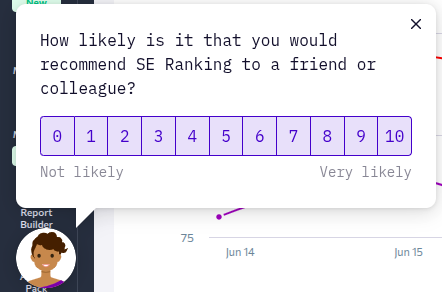
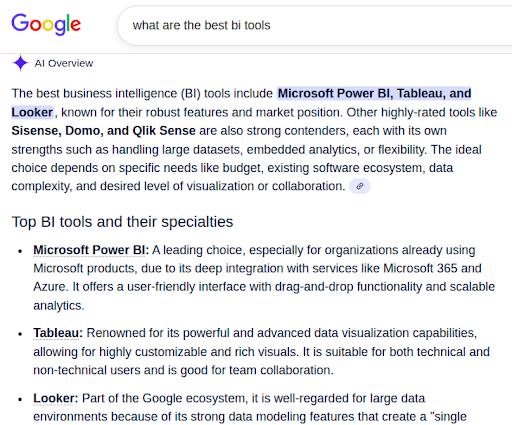






 You’ll miss out on searches like “primary care doctor in Dallas” or “pediatrician near Asheville.”
 Fixing these issues doesn’t have to be overwhelming. Start small: update your Google Business Profile, add local keywords to your site, and ask one happy patient for a review this week. Each step brings you closer to showing up where patients are looking—